
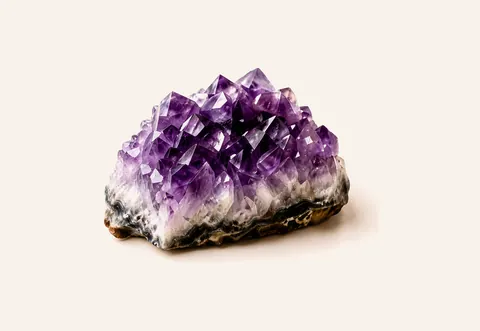
Amethyst
Often chosen for quiet reflection, evening practice and a calm visual focus.
Reflection · CalmView Amethyst bracelet →Beginner Meditation Guide
Compare 12 good crystals for meditation by intention, choose a comfortable stone and follow a simple 10-minute routine designed for beginners.
Crystals can serve as tactile reminders to slow down, return to your breath and stay connected to the purpose of your practice.
The traditional associations below are offered for reflection and personal ritual—not as medical claims.
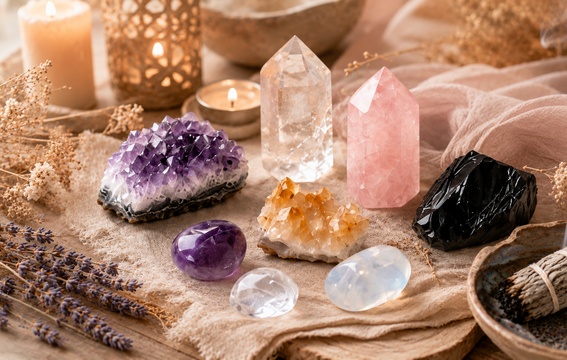
These stones for meditation can act as a tactile or visual focus during a mindful routine. There is no single “correct” crystal: choose one whose color, texture or traditional meaning supports the intention you want to remember during practice.
| Crystal | Common intention | When to choose it | Simple way to use it |
|---|---|---|---|
| Amethyst | Calm and reflection | Evening or quiet meditation | Hold it loosely or place it beside your cushion |
| Clear Quartz | Focus and intention | When you want one versatile beginner stone | Choose one intention before beginning |
| Rose Quartz | Compassion and gratitude | Gentle self-reflection or journaling | Pair it with a short gratitude practice |
| Black Obsidian | Grounding and presence | When you want a substantial tactile anchor | Notice its weight while breathing slowly |
| Citrine | Motivation and purpose | Morning intention-setting | Keep it nearby while naming the day's priority |
| Moonstone | Reflection and change | During transitions or a new routine | Use it as a visual focus before journaling |
| Labradorite | Transition and imagination | Reflective practice during periods of change | Observe its shifting colors as a visual anchor |
| Selenite | Clarity and stillness | A quiet, uncluttered meditation space | Place it nearby and keep this soft mineral dry |
| Smoky Quartz | Grounding and steadiness | When attention feels scattered | Notice its weight while returning to the breath |
| Fluorite | Order and concentration | Study breaks or focus meditation | Use its color bands as a visual focal point |
| Tiger's Eye | Confidence and discernment | Before decisions or purposeful action | Pair it with one clear statement of intention |
| Green Aventurine | Optimism and fresh starts | Morning reflection or a new routine | Hold it while naming one realistic next step |
Often chosen for quiet reflection, evening practice and a calm visual focus.
Reflection · CalmView Amethyst bracelet →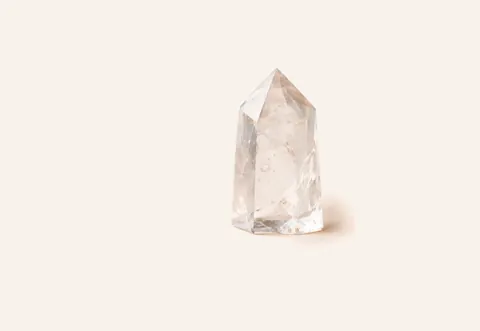
A versatile choice for holding one clear intention throughout the session.
Clarity · Intention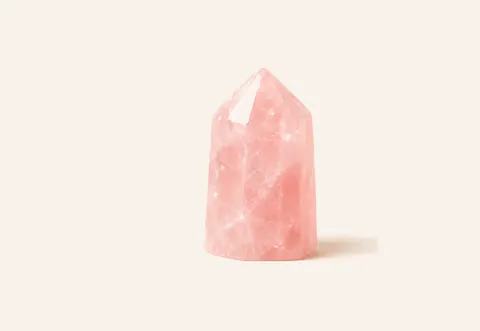
Traditionally associated with compassion, gratitude and a gentle heart-centered practice.
Compassion · GratitudeView Rose Quartz bracelet →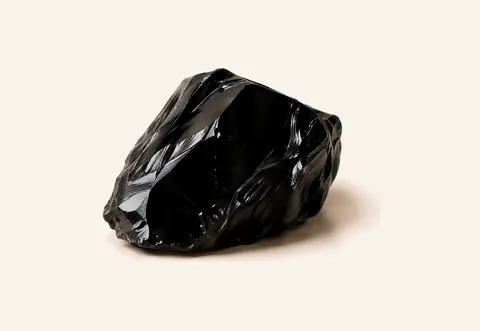
Its weight and dark surface can provide a steady tactile anchor for grounding.
Grounding · FocusView Obsidian bracelet →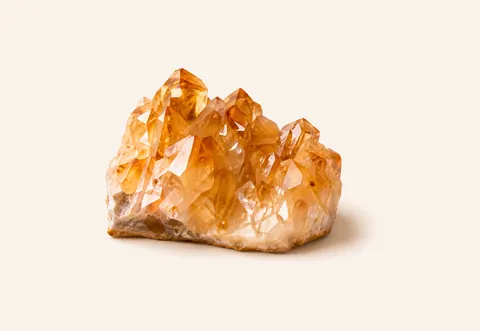
Commonly selected for morning intention-setting, confidence and purposeful action.
Motivation · PurposeView Citrine bracelet →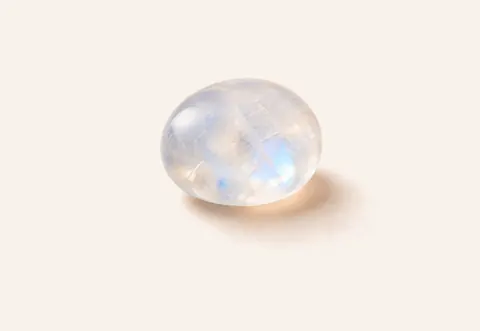
A reflective stone often linked with transitions, intuition and new beginnings.
Reflection · Change
Traditionally associated with transition and imagination; its shifting colors offer a natural visual focus.
Transition · Imagination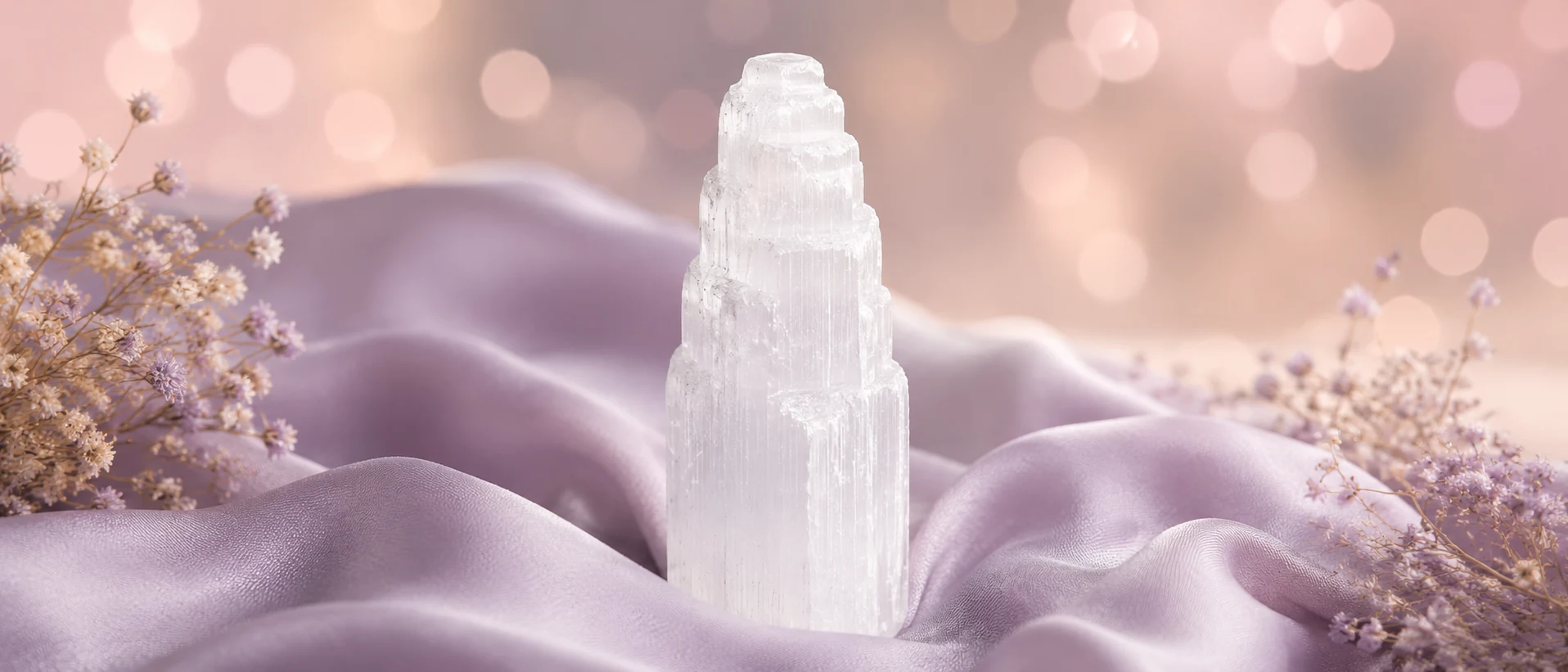
Often linked with clarity and stillness. Place it nearby rather than soaking it because this soft mineral should stay dry.
Clarity · Stillness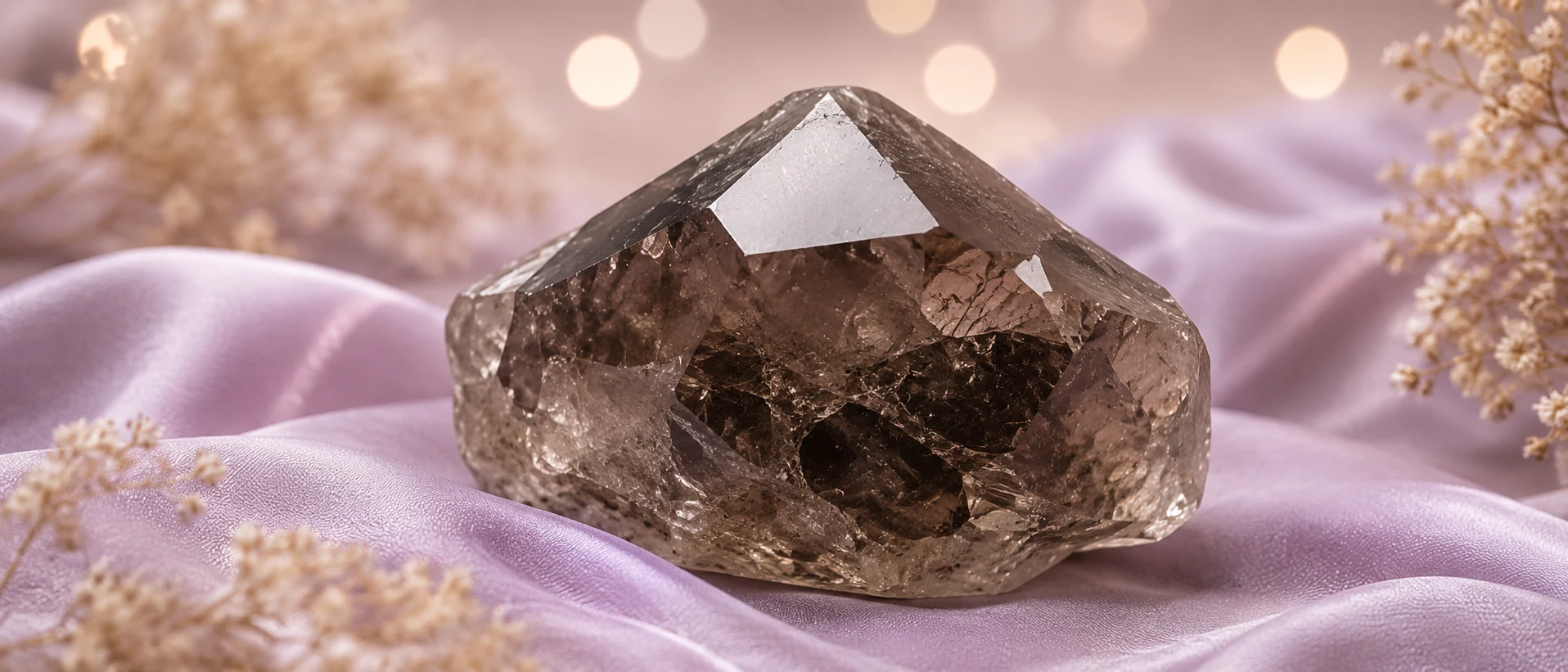
A substantial tactile anchor traditionally connected with grounding, steadiness and release.
Grounding · Steadiness
Its bands of color can serve as a visual focal point during study breaks or concentration practice.
Order · Concentration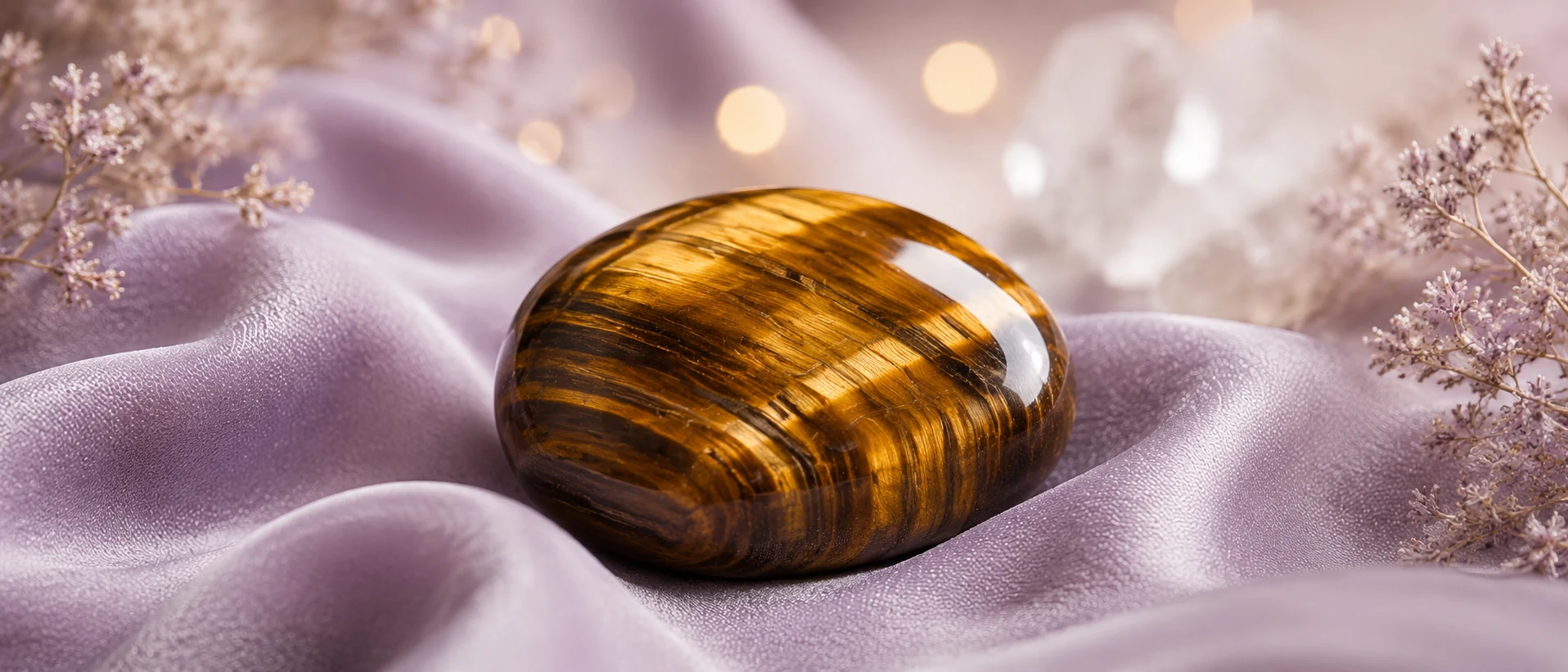
Traditionally linked with confidence and discernment, especially before decisions or purposeful action.
Confidence · Discernment
Commonly associated with optimism and fresh starts, making it a gentle option for morning reflection.
Optimism · Fresh StartsKeep the method simple: use the crystal as a physical cue for attention rather than something you must experience in a particular way.

Rest it comfortably in one or both hands and notice its temperature, weight and texture.

Set the crystal in front of you as a visual anchor if holding it feels distracting.
Use a short phrase such as “return to the breath” or “respond with patience.”

Take one final breath, put the stone down carefully and note how the session felt.
This beginner routine works with any smooth, comfortably sized crystal. Sit somewhere stable and stop if you feel uncomfortable.
Pick one realistic focus for the session, such as patience, gratitude or concentration.
Hold the stone loosely and follow the natural rhythm of each inhale and exhale.
Notice the crystal’s surface and gently bring your attention back without judging your thoughts.
Silently repeat the phrase you chose and notice whether its meaning feels different.
Open your eyes, place the crystal down and write one sentence about the practice.
The best stone is one that feels comfortable and helps you remember why you are pausing. These are traditional associations for personal reflection, not promised outcomes.
Morning
Keep Citrine nearby while naming one realistic priority for the day. Its bright color can act as a visual reminder of purposeful action.
Explore Citrine →Evening
Hold Amethyst loosely during slow breathing or place it beside your cushion before journaling about the day.
Explore Amethyst →Grounding pause
Notice the stone’s weight, temperature and smooth surface whenever attention wanders, then gently return to the breath.
Explore Obsidian →Self-compassion
Pair Rose Quartz with three slow breaths and one specific thing you appreciate about yourself or someone in your life.
Explore Rose Quartz →The practical value is often in the ritual: a consistent object can help signal the beginning of practice and remind you of the intention you selected.

Texture and weight provide a physical point to return to when attention wanders.

Choosing one stone can make the purpose of a session easier to remember.

Repeating the same setup can help create a recognizable mindfulness routine.

A stone may connect the practice with a memory, value or symbolic association.

Color and shape can offer a simple focal point for open-eye meditation.
Cleaning can be both practical care and a personal reset ritual. Always check the mineral before using water, salt or direct sunlight.

Remove dust with a clean, dry cloth. This is a safe first step for most polished stones.

A bell, gentle sound or a few slow breaths can mark the beginning of a fresh practice.

Place the stone near a window overnight, protected from weather and sudden temperature changes.

Strong direct sun may fade stones such as Amethyst and Rose Quartz over time.

Some minerals are porous, soft or reactive. When unsure, keep them dry.

Use a soft pouch or divided box to reduce scratches and edge damage between sessions.
Popular choices include Amethyst for a quiet reflective practice, Clear Quartz for intention setting, Rose Quartz for self-compassion, Black Obsidian for grounding, Citrine for motivation and Moonstone for reflection. The best choice is one that feels comfortable and supports the purpose of your session.
Choose one stone, set a simple intention, hold it comfortably or place it nearby, focus on slow breathing for five to ten minutes and finish by noting how the practice felt.
You can hold a crystal in one or both hands, place it in front of you as a visual focus or arrange a few stones around your meditation space. Avoid placing heavy, sharp or unstable stones on the body.
Many people clean or reset a stone as a mindful ritual. A dry soft cloth, sound or indirect moonlight are gentle options. Check the stone type before using water, salt or sunlight.
Citrine is commonly chosen for a bright morning intention, while Amethyst is often used for a quieter evening reflection. Choose by comfort and the purpose of your routine rather than expecting a particular result.
No. Crystal meditation is a personal mindfulness practice and is not a substitute for professional medical or mental health advice, diagnosis or treatment.
Continue Exploring
Learn about traditional meanings, chakra associations and zodiac stones, or explore custom crystal bracelets for a retail or private label collection.

Nature’s energy companion

Premium crystal quality

Pure and calming support

A meaningful wellness choice